
Pollution and Community Decline
Blood ShotThe ruined landscapes of South Chicago connect industrial pollution to unemployment, political neglect, and the daily choices forced upon residents.
increasing Bearing strength in each event
 decreasing
Bearing strength in each eventdecreasingA Toxic Arrival
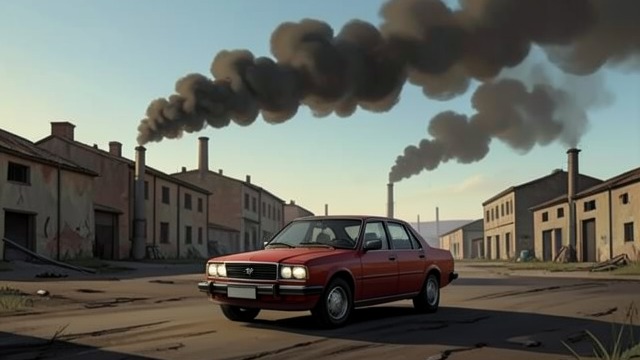
The Smell of Home
Chemical air
V. I. Warshawski follows Route 41 past USX South Works and feels industrial chemicals entering the car through its vents.
Altered memory
The lakefront’s affluent buildings give way to rusting factories, vacant lots, and worn neighborhoods.
The sensory change establishes pollution and economic decline as inseparable features of the place she has returned to.
A Working Landscape Lost
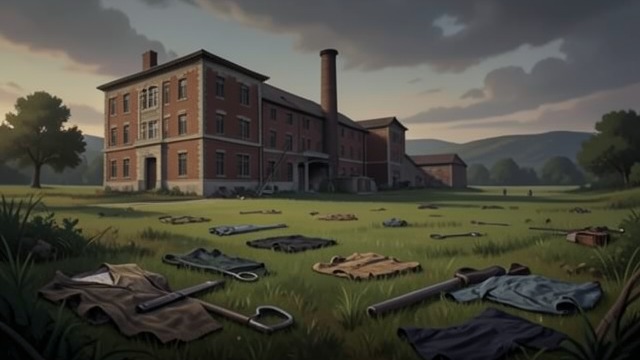
The End of the Mills
Former prosperity
V. I. Warshawski remembers eighteen thousand local workers going to the steel mills, Ford, and Xerxes.
Present hardship
The mills are closed or diminished, while unemployed residents and neglected buildings mark a community left with few opportunities.
The novel shows deindustrialization as a collective loss measured in jobs, homes, and expectations for the future.
Water That Cannot Be Trusted
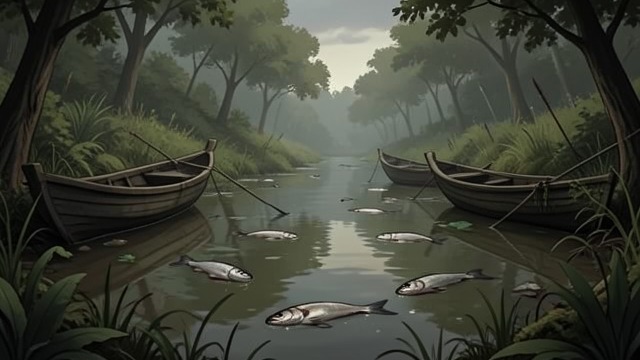
A Damaged Wetland
Industrial residue
Dead Stick Pond is described as contaminated by PCBs and chemical waste, with sick fish and few surviving animals.
Human use continues
People still fish in the damaged water, while Nancy Cleghorn’s body was left beside it.
The landscape records harms that policy changes have not yet repaired and that residents cannot simply avoid.
The Recycling Proposal
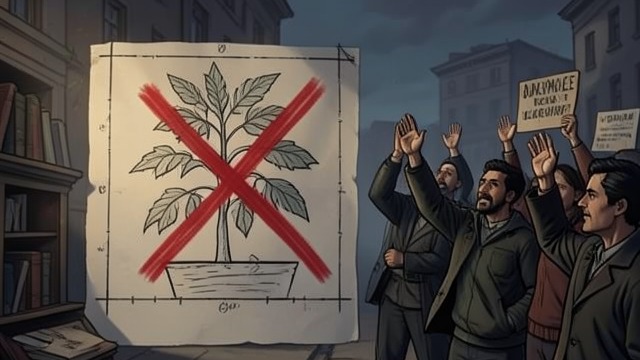
An Alternative for Waste
Local repair
SCRAP proposes a solvent-recycling plant that could create jobs and reduce the hazardous waste placed in lagoons.
Institutional resistance
The proposal is denied a hearing despite preparations, funding, and nearby industrial customers.
Environmental action confronts a political economy that has long treated the community as a place to store its unwanted byproducts.
The Costs Become Visible
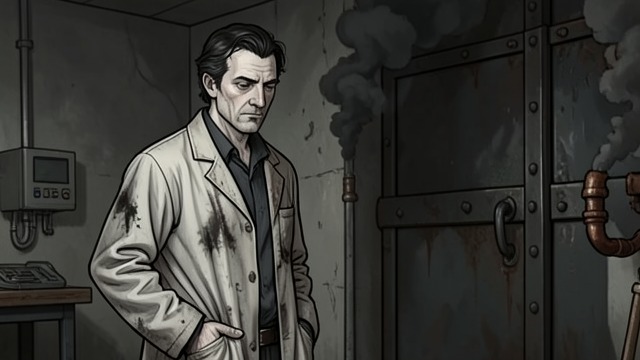
Pollution in Human Bodies
A hidden record
The medical notebooks show that workers’ blood values changed in patterns consistent with exposure to Xerxine.
Community consequences
The evidence joins toxic working conditions to the illnesses suffered by workers who lived in the same already polluted region.
Pollution is no longer scenic background; it is an intimate injury carried by people whose employment and health were controlled by others.
the opening drive down Route 41
during V. I. Warshawski’s drive through South Chicago
during V. I. Warshawski’s visit to Dead Stick Pond
when SCRAP presents its plan to the zoning board
after Lotty Herschel reviews the medical records
